The area around Mount Vernon Square was known as the Northern Liberties, a moniker given to areas that were beyond the “limits of the city.” In the first decade of the 19th Century, Congress provided funds to pave 7th Street, NW from Pennsylvania Avenue, NW to Boundary Street (now Florida Avenue) along Mount Vernon Square. The new 7th Street became an important transportation and commerce corridor, bringing new residents and businesses to the Northern Liberties neighborhood. In 1843, neighborhood residents petitioned the City Council to create a public market at Mount Vernon Square. By 1845, the Northern Liberties Market opened on the 7th Street side of Mount Vernon Square, serving as a produce market with indoor and outdoor stalls. The market flourished, and the building was expanded to accommodate the growing demand.
In 1872, the Northern Liberties Market moved to a bigger, more modern facility at 5th and K Streets, NW, with stalls for more than 240 vendors. Other businesses such as feed stores, tailors, bars, and a dairy bottling plant clustered around the 5th & K Street location to be proximate to Northern Liberties Market customers. Today, the Mount Vernon Triangle Historic District has a collection of 23 contributing buildings remaining. In 1893, Northern Liberties Market also became DC’s first Convention Hall when a second floor was added to accommodate 5,000 spectators.
After Northern Liberties Market left Mount Vernon Square, the area was redesigned as a public park, with a central fountain, benches, and detailed landscaping. In 1899, Andrew Carnegie committed funds to pay for the design and construction of the city’s central public library in Mount Vernon Square. The new facility was designed in the Beaux-Arts style and opened in 1903. The Carnegie library served as the city’s central library through the 1950s. Thanks to the Fine Arts Commission, the building still stands. Today the building is owned and operated by Events DC and is home to the DC Historical Society.
In 2004, the Mount Vernon Triangle Community Improvement District was created to foster a clean and safe environment, promote economic development, market Mount Vernon Triangle, and coordinate planning of public and private investment with the District government. Today, there are 1.7 million square feet of office, 3,691 residential units, 238 hotel rooms, and 282,564 square feet of retail existing and under construction. The MVT neighborhood is projected to have a total build-out of 2.6 million square feet of office, 4,827 residential units, 591 hotel rooms, and 356,564 square feet of retail.
[Source: MountVernonTriangle]
6,222 people live in Mount Vernon Triangle, where the median age is 33 and the average individual income is $92,348. Data provided by the U.S. Census Bureau.
Total Population
Median Age
Population Density Population Density This is the number of people per square mile in a neighborhood.
Average individual Income
There's plenty to do around Mount Vernon Triangle, including shopping, dining, nightlife, parks, and more. Data provided by Walk Score and Yelp.
Explore popular things to do in the area, including Washington Health Systems, Tezzy 1 Bosslay, and Heineken USA.
| Name | Category | Distance | Reviews |
Ratings by
Yelp
|
|---|---|---|---|---|
| Dining | 0.55 miles | 0 reviews | 0/5 stars | |
| Dining | 0.55 miles | 0 reviews | 0/5 stars | |
| Dining | 0.58 miles | 0 reviews | 0/5 stars | |
| Dining | 0.59 miles | 0 reviews | 0/5 stars | |
| Dining | 0.62 miles | 0 reviews | 0/5 stars | |
| Dining · $ | 0.69 miles | 5 reviews | 3/5 stars | |
| Dining · $ | 0.69 miles | 4 reviews | 2.3/5 stars | |
| Dining · $ | 0.69 miles | 5 reviews | 2.4/5 stars | |
| Dining · $$ | 0.69 miles | 3 reviews | 4.7/5 stars | |
| Shopping | 0.63 miles | 0 reviews | 0/5 stars | |
| Shopping | 0.67 miles | 0 reviews | 0/5 stars | |
| Active | 0.37 miles | 0 reviews | 0/5 stars | |
| Active | 0.55 miles | 2 reviews | 4.5/5 stars | |
| Active | 0.59 miles | 0 reviews | 0/5 stars | |
| Active | 0.68 miles | 0 reviews | 0/5 stars | |
| Active | 0.69 miles | 0 reviews | 0/5 stars | |
| Nightlife | 0.54 miles | 0 reviews | 0/5 stars | |
| Beauty | 0.52 miles | 0 reviews | 0/5 stars | |
| Beauty | 0.56 miles | 0 reviews | 0/5 stars | |
| Beauty | 0.6 miles | 0 reviews | 0/5 stars | |
| Beauty | 0.6 miles | 0 reviews | 0/5 stars | |
| Beauty | 0.69 miles | 0 reviews | 0/5 stars | |
| Beauty | 0.69 miles | 9 reviews | 3.7/5 stars | |
| Beauty | 0.69 miles | 0 reviews | 0/5 stars | |
|
|
||||
|
|
||||
|
|
||||
|
|
||||
|
|
||||
|
|
Mount Vernon Triangle has 3,827 households, with an average household size of 2. Data provided by the U.S. Census Bureau. Here’s what the people living in Mount Vernon Triangle do for work — and how long it takes them to get there. Data provided by the U.S. Census Bureau. 6,222 people call Mount Vernon Triangle home. The population density is 81,342 and the largest age group is Data provided by the U.S. Census Bureau.
Total Population
Population Density Population Density This is the number of people per square mile in a neighborhood.
Median Age
Men vs Women
Population by Age Group
0-9 Years
10-17 Years
18-24 Years
25-64 Years
65-74 Years
75+ Years
Education Level
Total Households
Average Household Size
Average individual Income
Households with Children
With Children:
Without Children:
Marital Status
Blue vs White Collar Workers
Blue Collar:
White Collar:
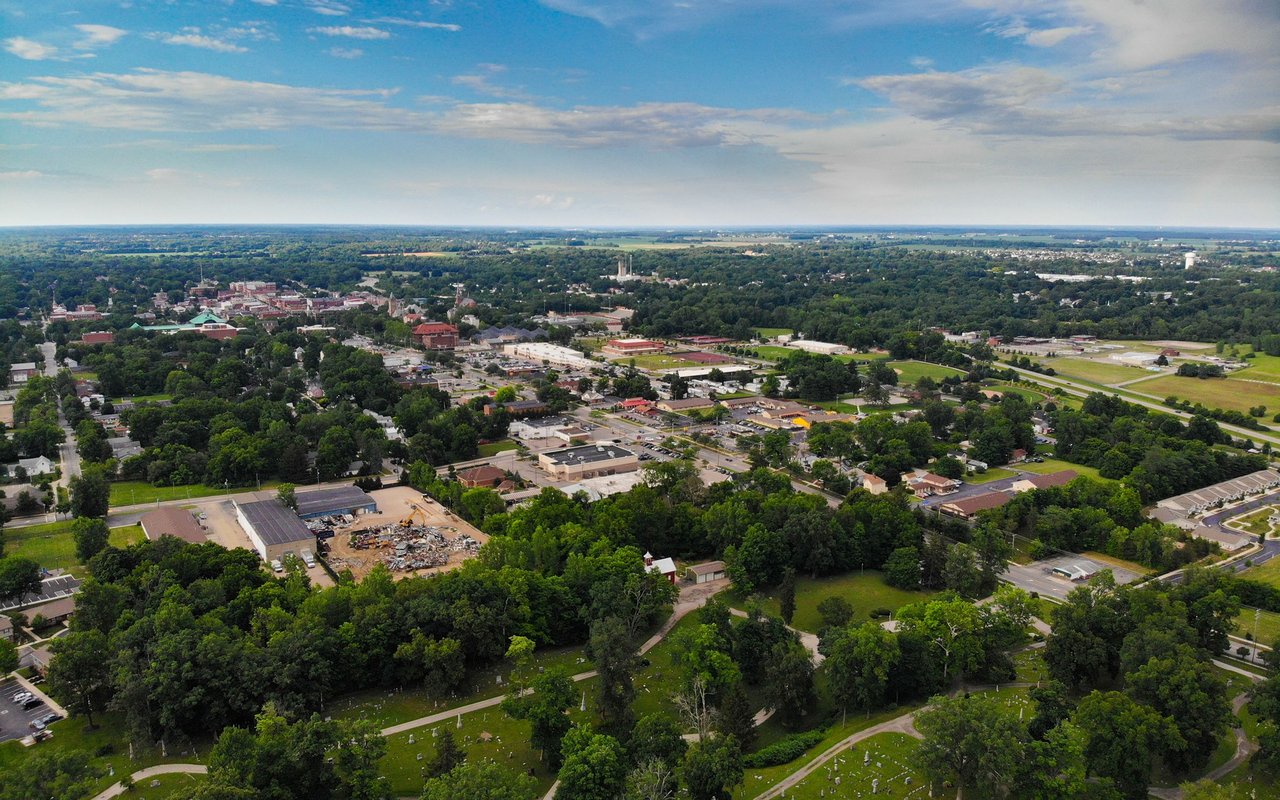
Local expertise and personalized guidance to help you make your next move with confidence.
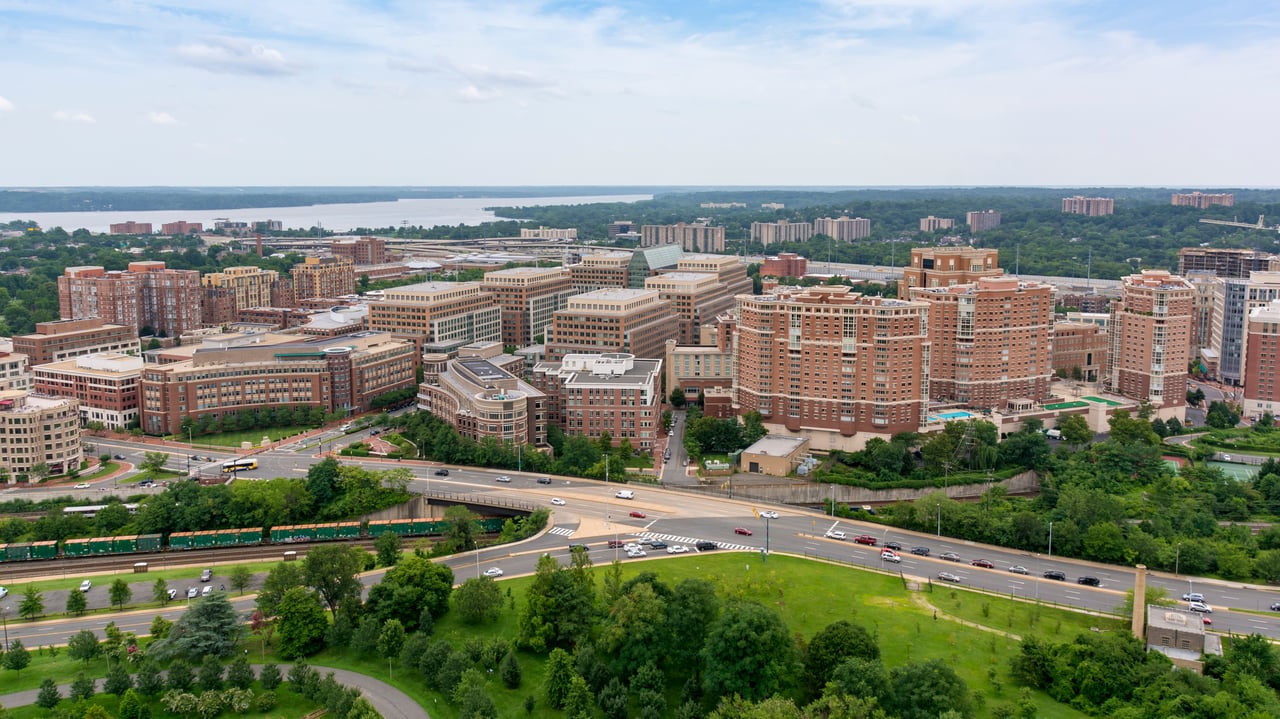
Dedicated local insight and tailored guidance for every step of your real estate journey.