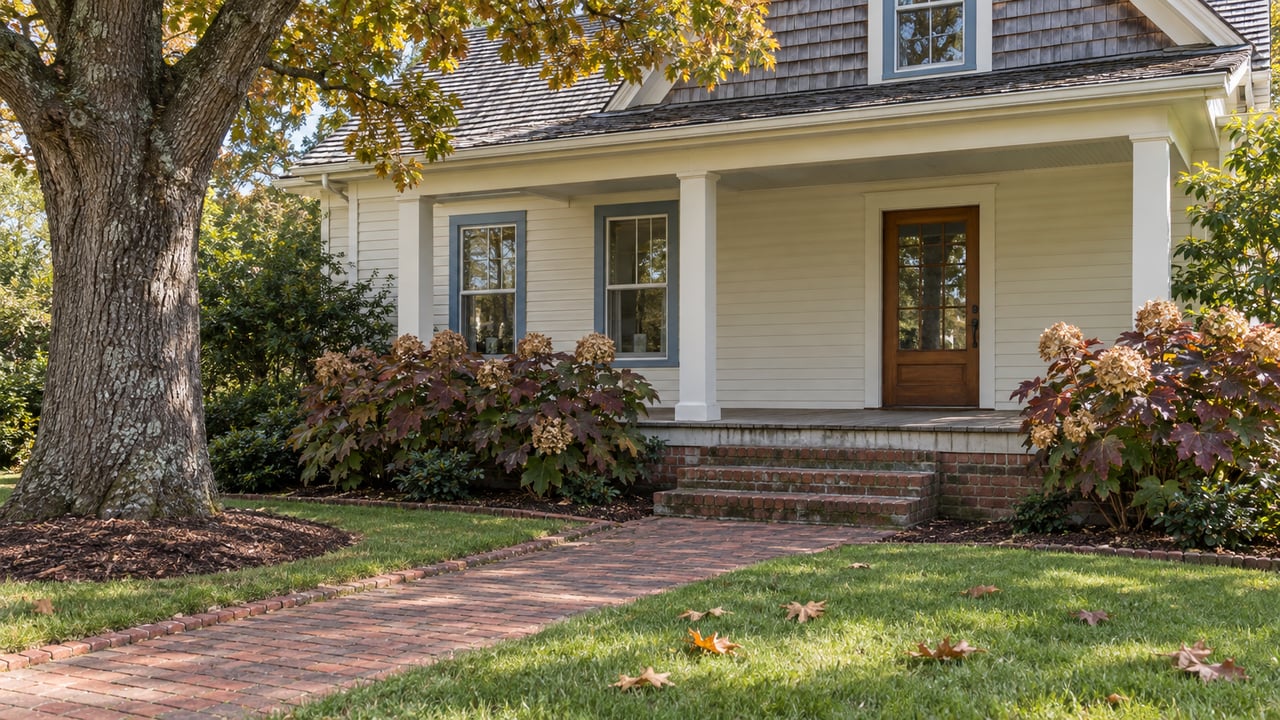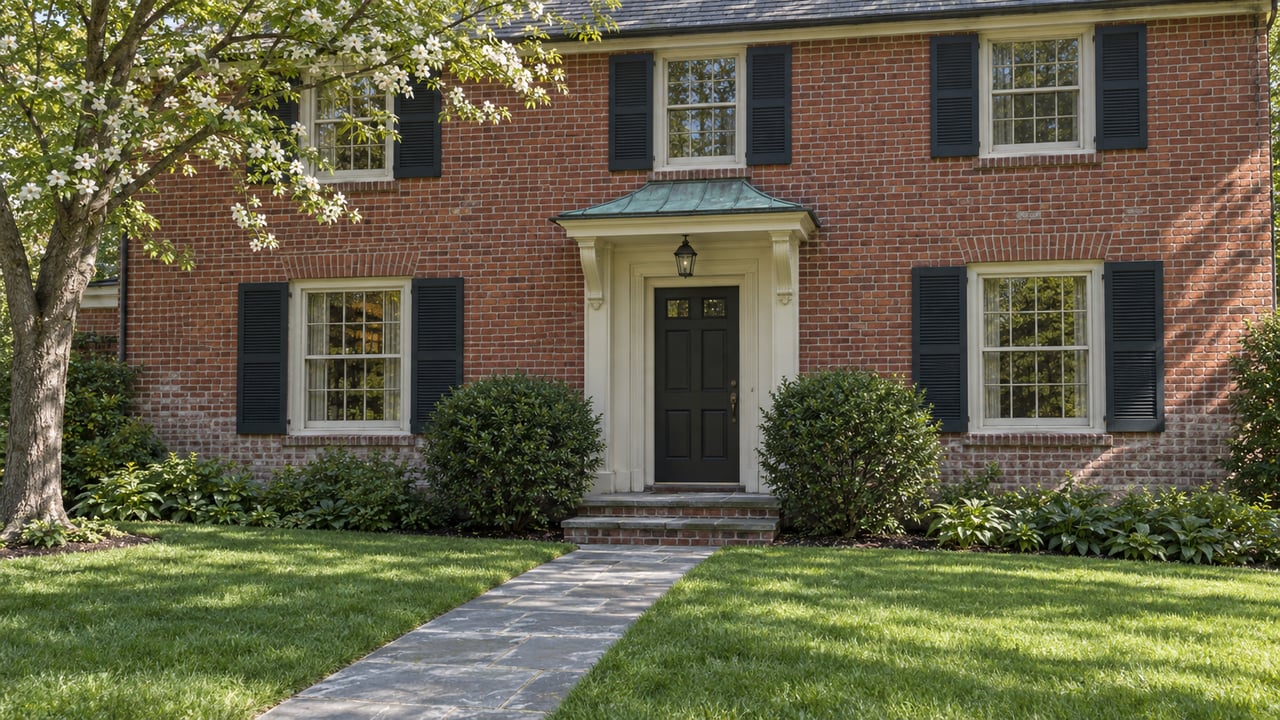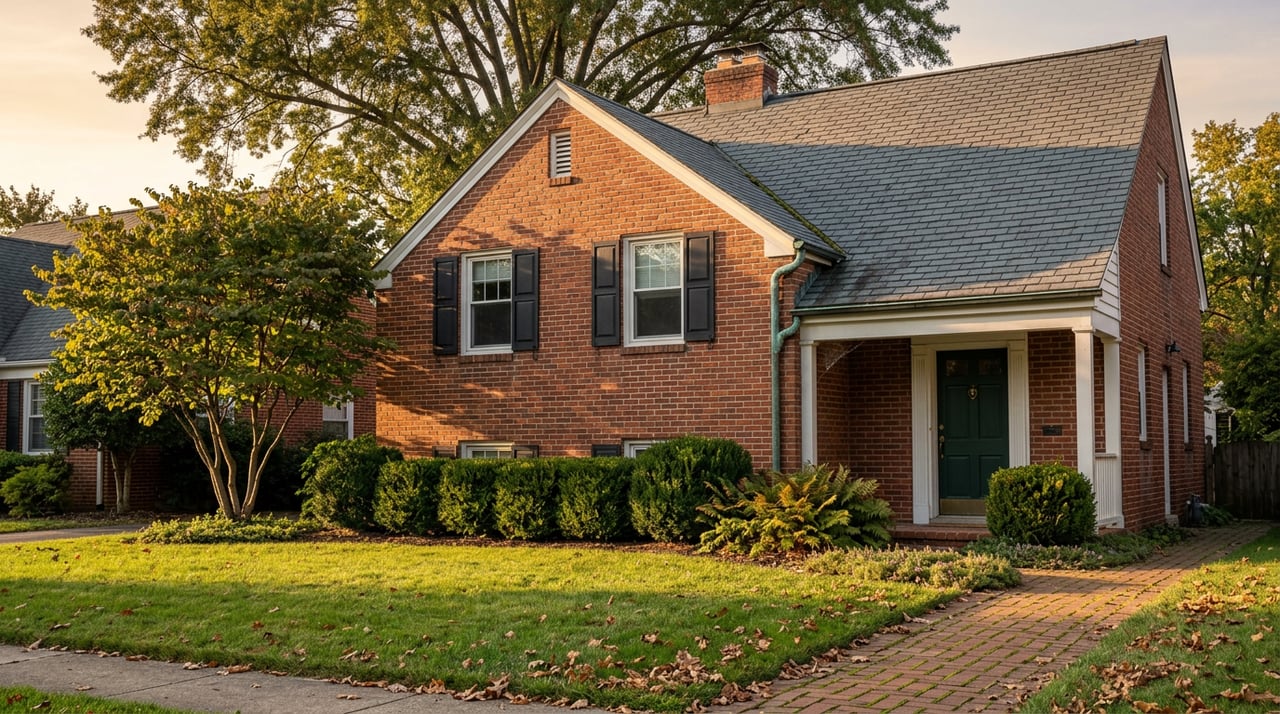
Two houses on the same street in North Highlands closed within three months of each other for numbers that came out almost dead even: $1,610,000 in March 2026, $1,615,000 the December before. On paper, they look like the same trade. They aren't. One of the two is a duplex built under a zoning ordinance that Arlington Magazine says a circuit court judge voided in September 2024, that McGuireWoods says an appeals court brought back to life in June 2025, and that ARLnow says the Virginia Supreme Court agreed just this past May to review all over again. The other is a conventional single-family home sitting on a lot that could, depending on how that review goes, become eligible for the exact same kind of redevelopment, or could just as easily stay exactly as it is for another decade.
That is the detail a median price will never show you. If you're comparing Arlington against Bethesda, Alexandria, or anywhere else in the DMV using the numbers on a listing sheet, you're missing the variable that actually determines what a given lot is worth: whether the county's zoning experiment survives its third trip through the Virginia court system.
Two Sales, One Unanswered Question
North Highlands is where you can see this most clearly right now. A five-bedroom, three-and-a-half-bath duplex sold there for $1,610,000 in March 2026. Its four-bedroom, three-and-a-half-bath neighbor, a conventional single-family home, sold in December 2025 for $1,615,000. The buyers paid almost exactly the same money for two very different bets. One purchased a completed multi-unit property under a zoning framework called Expanded Housing Options, or EHO. The other purchased a house that, depending on what the Virginia Supreme Court decides sometime in the next several months, might sit on a lot with the same redevelopment potential, or might not.
That's not a hypothetical distinction. It shows up in what a builder can legally do with the parcel next door, what an appraiser is willing to underwrite, and what a lender is comfortable financing on a purchase or renovation loan in an EHO-eligible zone. Two nearly identical prices are masking two very different risk profiles, and that gap is worth understanding before you write an offer anywhere in Arlington's older single-family neighborhoods.
What EHO Actually Changed
According to YIMBY Law, the Arlington County Board adopted the Expanded Housing Option ordinance in March 2023. It allows duplexes, townhouses, and buildings of up to six units on lots that were previously zoned for one house per parcel, across most of the county's residential districts. That's a real change from what "single-family zoned" meant in Arlington for most of the last century, and it's why the fight over EHO has outlasted three separate court rulings.
Since the ordinance took effect, the county has approved dozens of EHO permits in neighborhoods you'd recognize by name: North Highlands, Claremont, Lyon Village, Lyon Park, Bluemont, Cherrydale, Waverly Hills, Aurora Highlands, and Douglas Park among them. Some of those approvals became finished duplexes, like the ones in North Highlands and Claremont. Others became six-plexes, like a project on 14th Street North near the Virginia Square Metro station that replaced a century-old, radiator-heated house that had last sold for $913,000 in 2022.
That last example is worth sitting with. A block away, a comparable teardown lot that stayed single-family sold for $1.8 million after a rebuild. Arlington's average new single-family home now sells for around $2.4 million. The EHO alternative on the same kind of lot puts multiple households into homes priced well under that ceiling. Whichever side of the debate you land on, the math explains why builders keep applying for EHO permits even while the ordinance's legal footing wobbles.
The Lawsuit That Won't Sit Still
Here's the part that actually matters for anyone shopping right now. The ordinance's legal status has changed direction three times in under three years.
- March 2023: The County Board approves EHO, allowing up to six units on lots previously zoned single-family.
- September 2024: A circuit court judge rules in favor of ten homeowners who sued the county, voiding EHO entirely.
- June 2025: The Virginia Court of Appeals reverses that decision on procedural grounds, finding that permit-holding developers should have been included as parties to the case, and effectively puts EHO back on the books.
- May 2026: The Virginia Supreme Court agrees to review the Court of Appeals ruling. A spokesperson for the homeowner group funding the litigation has said he expects the case to reach trial within the next three to six months.
For now, EHO is valid law and the county continues to accept and approve permits under it, but the underlying question of whether the ordinance was adopted lawfully has still never been decided on its merits.
That's a strange thing to build a mortgage decision around, and yet buyers do it every week without realizing that the zoning designation on a listing sheet in Arlington carries more asterisks than it does almost anywhere else in the region.
Why the Price Gap Hasn't Closed
You'd expect a market this efficient to price legal uncertainty into every comparable. It mostly hasn't, and the reason comes down to how differently each party in a transaction treats the risk. A builder who has already sunk money into an EHO permit is motivated to finish and sell before a ruling changes the rules. A buyer of a finished duplex is purchasing a completed structure, not a hypothetical one, so the legal fight over the ordinance's origins matters less to them than it does to the next owner of the empty lot next door. A homeowner selling a conventional single-family house in an EHO-eligible zone may not even know their lot carries redevelopment potential.
Appraisers have their own caution built in too. A completed EHO duplex has recent comparable sales to lean on. A single-family house with EHO redevelopment potential does not, because that potential stays speculative until a permit is actually filed. The result is a market where the finished multi-unit product and the redevelopment-eligible single-family lot next to it can trade at nearly the same price, even though one carries a legal question mark the other doesn't.
What This Means If You're Comparing Arlington to Somewhere Else
If you're weighing Arlington against Bethesda or Alexandria on price alone, you're comparing two numbers that don't carry the same kind of uncertainty. Bethesda and Alexandria have their own zoning debates, but neither is mid-lawsuit over whether an entire zoning category is legally valid. Arlington is, and that fight touches specific blocks you can identify by name today.
If a house you're considering sits in North Highlands, Claremont, Lyon Village, Lyon Park, Bluemont, Cherrydale, Waverly Hills, Aurora Highlands, or Douglas Park, it's worth asking whether the parcel or its neighbors have an EHO permit filed, approved, or under construction. Arlington County keeps a permitting dashboard for exactly this purpose. That single check tells you whether you're buying into a block where the zoning question has already played out on the ground, or one where it's still entirely open.
None of this makes EHO redevelopment potential automatically good or bad for a buyer. A young household drawn to Arlington for its walkability and transit access may see a nearby six-plex as more neighbors and more foot traffic near the corridor they chose the area for in the first place. A buyer planning to stay in a single-family home for the next twenty years may care less about the ordinance's fate than about the character of the block today. What matters is knowing the question exists before you make an offer, not discovering it later from a permit notice taped to a neighbor's fence post.
A Few Questions Worth Asking Before You Offer
Does EHO status affect financing on a listing I'm considering? It can. Lenders and appraisers generally price a completed EHO property using recent multi-unit comparables, and price a redevelopment-eligible single-family lot using single-family comparables, even when both sit on the same kind of parcel. Ask your lender directly how they're treating the property type before you assume the appraisal will land where you expect.
Is this happening in every Arlington neighborhood equally? No. Some blocks have seen multiple approved permits and finished construction, while others haven't seen a single EHO application. The county's permitting dashboard is the most reliable way to check a specific address or block rather than relying on general reputation.
Arlington's zoning fight isn't going to resolve itself before your closing date, whenever that closing date happens to be. What you can do is treat the uncertainty as a fact to work with rather than a detail to skip past. If you're weighing a specific Arlington block against something in Bethesda, Alexandria, or elsewhere in the DMV and want a read on how a particular address sits relative to the EHO map, Denny Horner and the team can walk through it with you before you write an offer, not after.
This article is general information, not legal, tax or financial advice. Consult a qualified professional about your situation.